Fall Pet Allergies: Flowery Branch Animal Hospital’s Solutions
Fall Pet Allergies: Flowery Branch Animal Hospital’s Solutions
As the leaves start to turn and the air gets crisp here in Flowery Branch, many pet owners notice their dogs or cats starting to itch, sneeze, or seem uncomfortable. If you’re worried that your pet’s symptoms might be related to fall allergies, you’re not alone. Our team at Flowery Branch Pet Wellness Center understands how frustrating it can be to watch your pet struggle with seasonal allergies. That’s why we offer compassionate, comprehensive care right here at 5900 Spout Springs Rd, Suite U21, Flowery Branch, GA 30542. In this guide, we’ll help you recognize signs of fall allergies in your dog or cat, explain what causes these symptoms in our region, and share how the veterinary team at Flowery Branch Animal Hospital can help your pet feel their best. We’ll also provide practical at-home tips and explain when it’s time to schedule a visit with our veterinarians.
Recognizing Fall Allergy Symptoms in Pets
Identifying fall allergies in pets can be tricky, especially since the symptoms often mimic other common health issues. Key signs that your dog or cat may be suffering from seasonal allergies include persistent itching, excessive licking of the paws, frequent scratching at the ears or body, and red or inflamed skin. You might also notice sneezing, watery eyes, or a runny nose, particularly during walks or after your pet spends time outside. Some pets develop recurring ear infections or experience hair loss in spots where they’ve been scratching or chewing. In many cases, pets with allergies will seem restless or uncomfortable, and you may even notice changes in their appetite or energy levels.
It’s important to remember that not all itchiness is caused by allergies. Skin infections, fleas, or food sensitivities can trigger similar symptoms. That’s why a thorough wellness examination with our veterinary team is so valuable for getting to the root of your pet’s discomfort.
What Causes Fall Allergies in Dogs and Cats?
Fall in Flowery Branch and the surrounding communities brings a unique set of environmental changes that can trigger allergic reactions in pets. The most common culprits are airborne allergens such as ragweed pollen, mold spores from decaying leaves, and dust mites that thrive as we spend more time indoors. Dogs and cats can also react to grass pollens, which linger well into October in our region, as well as to outdoor molds that increase after rain or when leaves collect in the yard.
In addition to these environmental triggers, pets can develop allergies to substances they encounter more frequently in the fall. For example, pets who spend time outdoors may pick up irritants like certain weeds or come into contact with fertilizers and lawn treatments as homeowners prepare their gardens for winter. Some pets are more genetically prone to allergies, making them particularly sensitive during peak pollen seasons.
How Flowery Branch Animal Hospital Diagnoses and Treats Fall Allergies
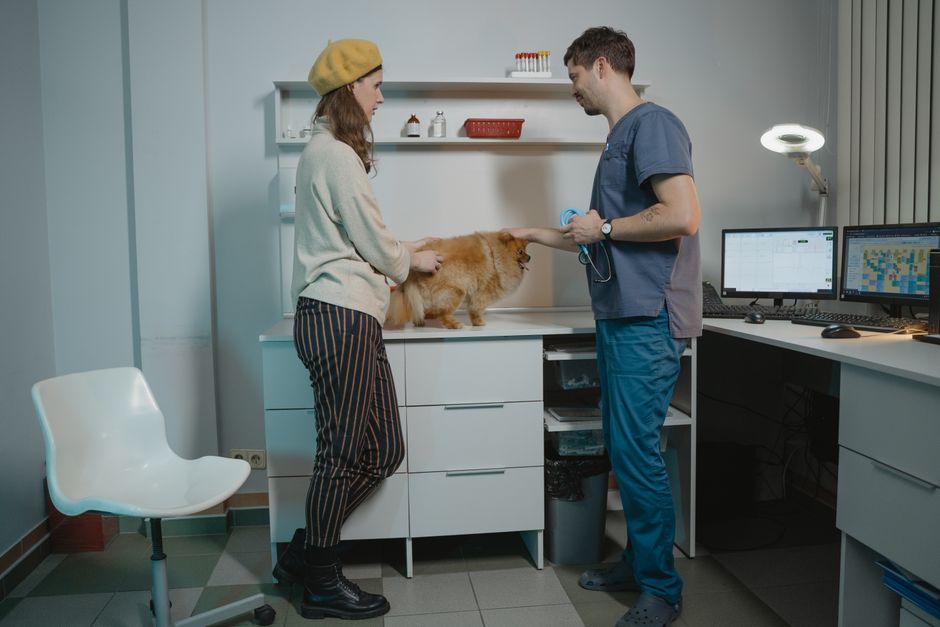
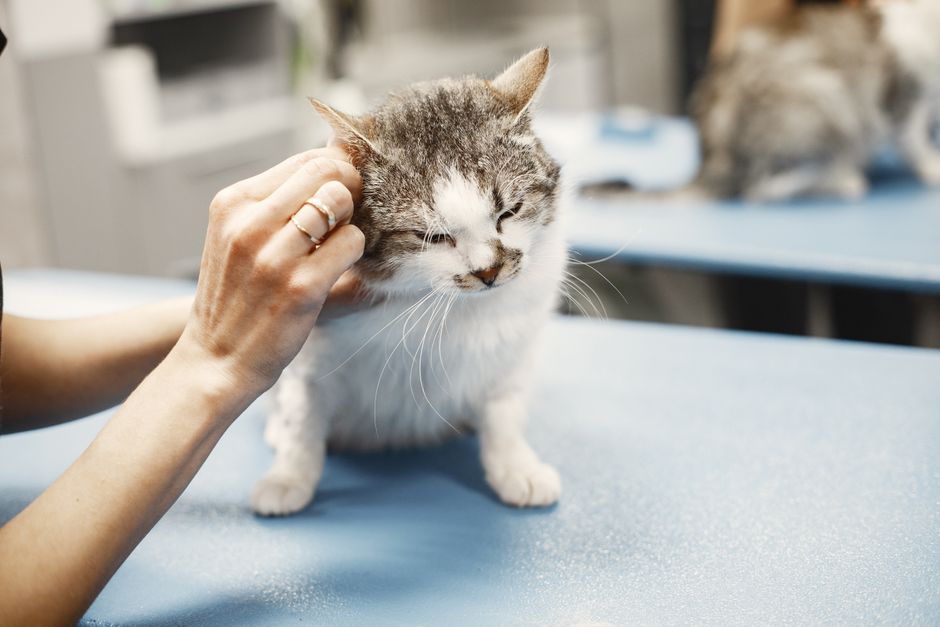
When you bring your pet to Flowery Branch Animal Hospital for allergy concerns, our veterinarians take a personalized approach to diagnosis and care. The process typically begins with a comprehensive physical examination, during which we review your pet’s medical history and discuss the specific symptoms you’ve observed. In many cases, we recommend diagnostic testing to rule out other causes of itching, such as parasites or skin infections.
Our clinic offers advanced tools like allergy testing to help identify the specific allergens affecting your dog or cat. This testing may involve bloodwork or intradermal skin tests, depending on your pet’s needs. We also use our pet diagnostic laboratory to check for secondary infections or underlying health conditions that could be making your pet’s symptoms worse.
Treatment plans are tailored to each individual pet, taking into account their unique health profile and lifestyle. Common approaches include medicated shampoos to soothe irritated skin, prescription antihistamines, or other medications that help control itching and inflammation. In some cases, our veterinarians may recommend immunotherapy (allergy shots) for pets with severe or persistent allergies. Managing allergies often involves a combination of therapies, and our team is committed to finding the safest and most effective solution for your pet.
At-Home Tips for Managing Fall Allergies in Pets
While veterinary care is essential for diagnosing and treating allergies, there are several steps you can take at home to help your pet feel more comfortable during allergy season. After walks or outdoor play, gently wipe your pet’s paws and fur with a damp cloth to remove pollen and dust. Regular baths with a veterinarian-recommended, hypoallergenic shampoo can help minimize skin irritation and reduce allergen buildup. Vacuuming your home frequently and washing your pet’s bedding in hot water can also make a significant difference by lowering exposure to indoor allergens.
If your pet is particularly sensitive, consider limiting outdoor activities during peak pollen times, which are often in the early morning and late afternoon. Keeping windows closed and using air purifiers with HEPA filters can further reduce airborne allergens inside your home. Always check with our veterinarians before making any changes to your pet’s diet or starting new supplements, as some products may interact with allergy medications or be inappropriate for certain health conditions.
When to Schedule a Veterinary Visit for Pet Allergies
Sometimes, at-home care is not enough to keep allergy symptoms under control. You should schedule a visit with our veterinary team if your pet’s itching becomes constant, if they develop open sores or skin infections, or if you notice swelling around the face or mouth. Other warning signs that require prompt attention include persistent ear infections, hair loss, or changes in your pet’s appetite or behavior. Allergies that go untreated can lead to chronic skin problems and discomfort, so early intervention is always best.
If you’re uncertain about whether your pet’s symptoms are related to allergies or another medical issue, our veterinarians are here to help. We encourage you to contact Flowery Branch Animal Hospital for a thorough evaluation if you have any concerns about your pet’s health.
Why Choose Flowery Branch Animal Hospital for Allergy Care?
At Flowery Branch Pet Wellness Center, our commitment to personalized, preventive care means we take the time to get to know your pet as an individual. We understand how important it is to keep your dog or cat healthy and comfortable, especially during challenging seasons like fall. Our veterinarians use advanced diagnostic tools and the latest treatment options to ensure your pet receives the best care possible. Whether you live in Flowery Branch or a nearby community, you can trust our team to provide expert guidance and ongoing support for your pet’s allergy management.
Take the Next Step Toward Relief: Schedule Your Pet’s Allergy Consultation
If you suspect your dog or cat is struggling with fall allergies, don’t wait for symptoms to get worse. The veterinary team at Flowery Branch Animal Hospital is ready to help your pet feel their best with a combination of modern diagnostics, compassionate care, and practical advice for managing allergies at home. Schedule a wellness examination or ask about our allergy testing services to start your pet’s journey toward lasting relief.
For trusted care from a veterinarian near me, call our team at (678) 960-1674 or visit us at 5900 Spout Springs Rd, Suite U21, Flowery Branch, GA 30542. We look forward to partnering with you to keep your pet healthy and happy all year round.
Medical Disclaimer: This blog is for informational purposes only and should not replace professional veterinary care. If your pet is experiencing severe symptoms or you are unsure about their health, please contact our veterinary team for a personalized assessment.