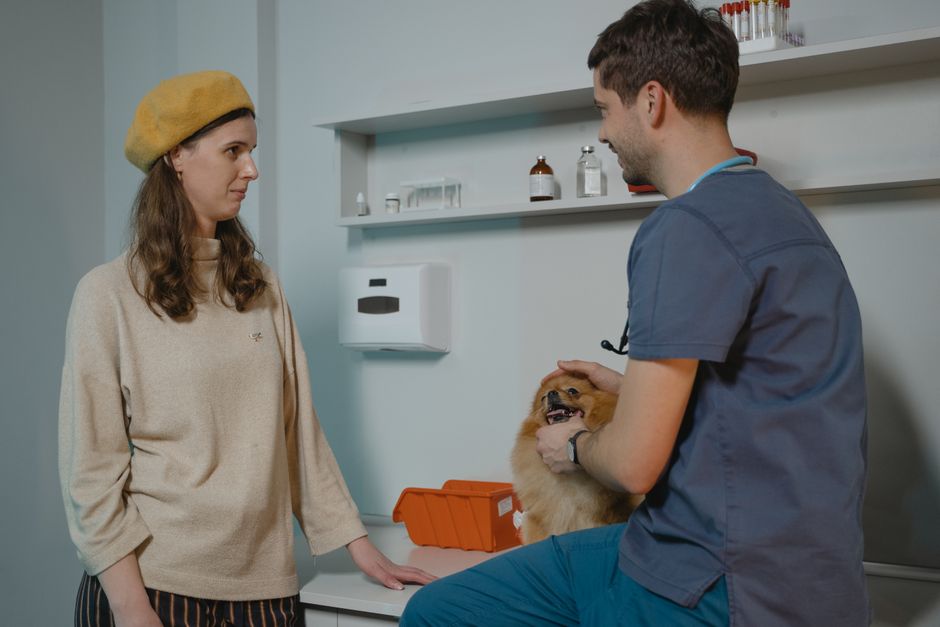
Flowery Branch Animal Hospital: Fall Pet Safety Tips

Flowery Branch Animal Hospital: Fall Pet Safety Tips
As September brings cooler mornings and color to the trees in Flowery Branch, the change of season is a wonderful time for both people and pets. However, autumn also brings unique safety concerns for your dog or cat. At Flowery Branch Pet Wellness Center, your trusted flowery branch animal hospital, we want to help you prepare for fall’s seasonal hazards so your pet can enjoy the crisp air and cozy evenings safely. In this post, we’ll cover essential fall pet safety tips, signs of seasonal health issues, steps you can take at home, and when it’s time to visit our veterinary team. Whether you’re taking your dog on scenic walks or making your home comfortable for your cat, you’ll find practical advice tailored to life here in Flowery Branch and surrounding communities. If you’re ready to keep your pet healthy this autumn, read on for expert guidance from your local animal hospital.
Recognizing Fall Safety Risks for Dogs and Cats
Many pet owners look forward to autumn traditions, but pets face a range of hazards as the weather shifts. Recognizing potential problems early can help you protect your pet from preventable illness or stress. Common fall health risks for pets include exposure to toxic mushrooms growing in damp yards, ingestion of seasonal decorations, and accidental encounters with antifreeze as homeowners prepare vehicles for cold weather. Signs of trouble may include your dog or cat showing interest in new objects on walks, chewing on unfamiliar plants, or suddenly acting lethargic after being outside. Additionally, the arrival of cooler nights often leads to more time spent indoors, which may increase the chance of pets coming into contact with household chemicals or seasonal treats that are not safe for animals.
Outdoor cats and adventurous dogs are also at greater risk for injuries during this time, as wildlife becomes more active and daylight hours decrease. You may notice your pet displaying unusual behavior, such as hiding, pawing at their mouth, or vomiting after being outside. If you see any sudden changes in appetite, energy, or bathroom habits, it’s wise to consult your veterinarian promptly.
Why Autumn Brings Unique Challenges for Pets
Fall’s weather and lifestyle changes create an environment where new risks emerge for pets. As leaves begin to fall, moist conditions can encourage the growth of mushrooms, many of which are toxic if eaten by pets. The use of rodenticides and certain pesticides also increases as rodents seek shelter from the cold, raising the risk of accidental poisoning. Antifreeze, which contains ethylene glycol, is extremely dangerous to pets, even in small amounts; its sweet taste can attract curious cats and dogs if spills occur in the garage or driveway.
Changes in routine, such as shorter daylight hours and cooler temperatures, may disrupt your pet’s exercise habits. Reduced time outdoors can lead to weight gain or boredom, especially for dogs that thrive on regular walks. Indoor heating, while keeping your home comfortable, can dry out the air and affect your pet’s skin. Seasonal allergies may also flare up as mold spores, dust, and fall pollens circulate. If your dog or cat starts to scratch excessively, sneeze, or develop watery eyes, they may be reacting to environmental allergens. For pets with chronic conditions such as arthritis, colder weather can worsen joint stiffness or discomfort, making it important to monitor their mobility closely during the fall months.
How the Flowery Branch Animal Hospital Team Can Help: Treatment and Management
At Flowery Branch Pet Wellness Center, our veterinary professionals are equipped to address the full spectrum of fall-related health concerns. If your pet is exposed to toxic substances or shows signs of illness, timely intervention is critical. Our team can provide thorough examinations, perform diagnostic testing, and recommend safe treatments if your dog or cat has ingested something harmful, such as mushrooms, antifreeze, or rodenticide. For pets suffering from seasonal allergies, we offer allergy testing to determine specific triggers and develop tailored management plans. These may include prescription medications, topical therapies, or changes to your pet’s environment to reduce exposure.
Pets with arthritis or other chronic conditions benefit from our multimodal approach to pain management and mobility support. This can involve supplements, medications, laser therapy, and personalized exercise routines designed to keep your dog or cat comfortable as temperatures drop. Our veterinarians can also recommend appropriate wellness examinations to catch early signs of illness before they become more serious issues. If you have concerns about your pet’s behavior, appetite, or energy level, don’t hesitate to schedule an appointment; prompt attention can make all the difference.
Fall Prevention Tips and Home Care for Pet Owners
The best way to keep your pet safe during autumn is through proactive prevention at home. Always supervise your dog or cat when outdoors, especially in unfamiliar areas where mushrooms, acorns, or other toxic plants may grow. Remove any hazardous plants or debris from your yard, and be vigilant about cleaning up antifreeze spills immediately. Store rodenticides and pesticides in secure locations out of reach of curious paws.
Inside your home, check that seasonal decorations such as candles, potpourri, and string lights are kept away from pets who might chew or swallow them. Chocolate and other Halloween treats should be stored securely, since even small amounts can be dangerous, particularly to dogs. As you use your fireplace or heaters, ensure your pet cannot burn themselves or knock over equipment.
Regular grooming and brushing help manage shedding and reduce the risk of hairballs, especially as pets transition to winter coats. If your pet seems itchy or develops skin issues, consult your veterinarian about potential allergies or dry skin. Maintaining a consistent exercise routine is also important; try to take walks during daylight hours and engage your cat in interactive play indoors to prevent boredom and weight gain.
Microchipping is another excellent preventive measure, as fall activities and holidays can increase the risk of pets slipping out unnoticed. If your pet is not already microchipped, our team can assist with pet microchipping to help ensure a safe return if your dog or cat becomes lost.
When to Seek Veterinary Care at Your Flowery Branch Animal Hospital
Knowing when to contact your veterinarian can make a critical difference for your pet’s health. Immediate veterinary care is warranted if your dog or cat consumes a toxic substance, such as antifreeze, mushrooms, rodenticides, or human medications. Signs that require prompt attention include sudden vomiting, diarrhea, seizures, difficulty breathing, or loss of consciousness. If your pet is limping, shows swelling, or appears to be in pain after outdoor activity, a thorough evaluation is important to check for injuries or underlying joint problems.
For fall allergies or mild symptoms such as sneezing, itching, or mild digestive upset, schedule a consultation with our veterinary team for guidance. If your pet has a chronic condition like arthritis and you notice increased stiffness, trouble getting up, or reluctance to exercise, we can provide solutions to help them stay comfortable through the season.
Routine wellness care is vital for catching health issues early, especially as the seasons change. If it’s been more than a year since your pet’s last exam, now is an ideal time to book a wellness examination so our veterinarians can assess your dog or cat’s health and update preventive care as needed.
Keeping Your Pet Happy and Healthy in Flowery Branch This Fall
Autumn in Flowery Branch is a beautiful season, but it comes with new challenges for pet owners. Staying alert to seasonal risks, practicing good home safety, and scheduling regular checkups are key steps to ensuring your dog or cat enjoys the fall months safely. At Flowery Branch Pet Wellness Center, our compassionate veterinary team is dedicated to supporting your pet’s well-being with preventive care, diagnostics, and personalized advice.
If you notice changes in your pet’s behavior, appetite, or health, or if you’re concerned about seasonal hazards, don’t hesitate to contact us for expert support. Schedule a fall wellness visit or reach out for urgent questions by calling (678) 960-1674 or visiting our convenient location in Flowery Branch. When searching for a vet near me, trust our flowery branch animal hospital to deliver the care your pet deserves all year round.
For more information about our services, including allergy testing, microchipping, and wellness examinations, explore our website at fbpetwellnesscenter.com. Your pet’s health and happiness are always our top priority at Flowery Branch Pet Wellness Center.