How Laboratory Services for Pets Keep Your Dog or Cat Healthy

How Laboratory Services for Pets Keep Your Dog or Cat Healthy
As a loving pet owner, you want your dog or cat to enjoy a long, healthy life. But even the most attentive eyes can miss subtle signs of illness that develop beneath the surface. That’s where laboratory services for pets come in. At Flowery Branch Pet Wellness Center, located at 5900 Spout Springs Rd, Suite U21, Flowery Branch, GA 30542, we use advanced diagnostic tools and laboratory testing to catch hidden health issues early, guide treatment decisions, and support your pet’s wellness at every stage of life. In this blog, we’ll explore how laboratory services for pets benefit your furry family members, why routine screenings matter, and when you should consider lab tests for your dog or cat here in Flowery Branch and surrounding communities.
Whether your pet is due for a wellness examination, experiencing new symptoms, or managing a chronic condition, laboratory testing gives us a clearer picture of their internal health. Let’s take a closer look at how these services work, what signs might indicate your pet needs lab work, and how our veterinary team uses results to provide the best possible care.
Recognizing When Your Pet Might Need Laboratory Testing
Many health conditions in dogs and cats develop quietly, without obvious outward signs until they become more advanced. As a pet owner, it’s important to know when laboratory services for pets may be needed to identify underlying problems.
Common reasons your veterinarian might recommend lab tests include annual wellness care, unexplained changes in behavior, appetite, or energy level, vomiting or diarrhea that lasts more than a day, unexplained weight loss or gain, drinking or urinating more than usual, signs of pain or discomfort, changes in breathing, coughing, or sneezing, and before surgical procedures or dental cleanings. For example, a seemingly healthy cat who starts drinking more water than usual, or a middle-aged dog who becomes less playful, may be experiencing the early stages of kidney disease or diabetes. Routine bloodwork and urinalysis can uncover these issues before they significantly affect your pet’s quality of life.
Additionally, pets with chronic conditions such as allergies, thyroid disorders, or heartworm disease often benefit from regular lab monitoring to track their progress and adjust treatment as needed. Laboratory testing is also an essential part of safe anesthesia and dental care, allowing us to assess organ function and minimize risks during procedures. If you notice subtle changes in your dog or cat, or if your veterinarian suggests routine screening, laboratory services can be a vital next step.
Why Laboratory Services for Pets Are Essential
Laboratory services for pets offer a behind-the-scenes look at your pet’s health that goes far beyond what we can see during a physical exam. These diagnostic tools provide valuable information about your pet’s organs, immune system, metabolism, and more.
What Do Veterinary Lab Tests Check For?
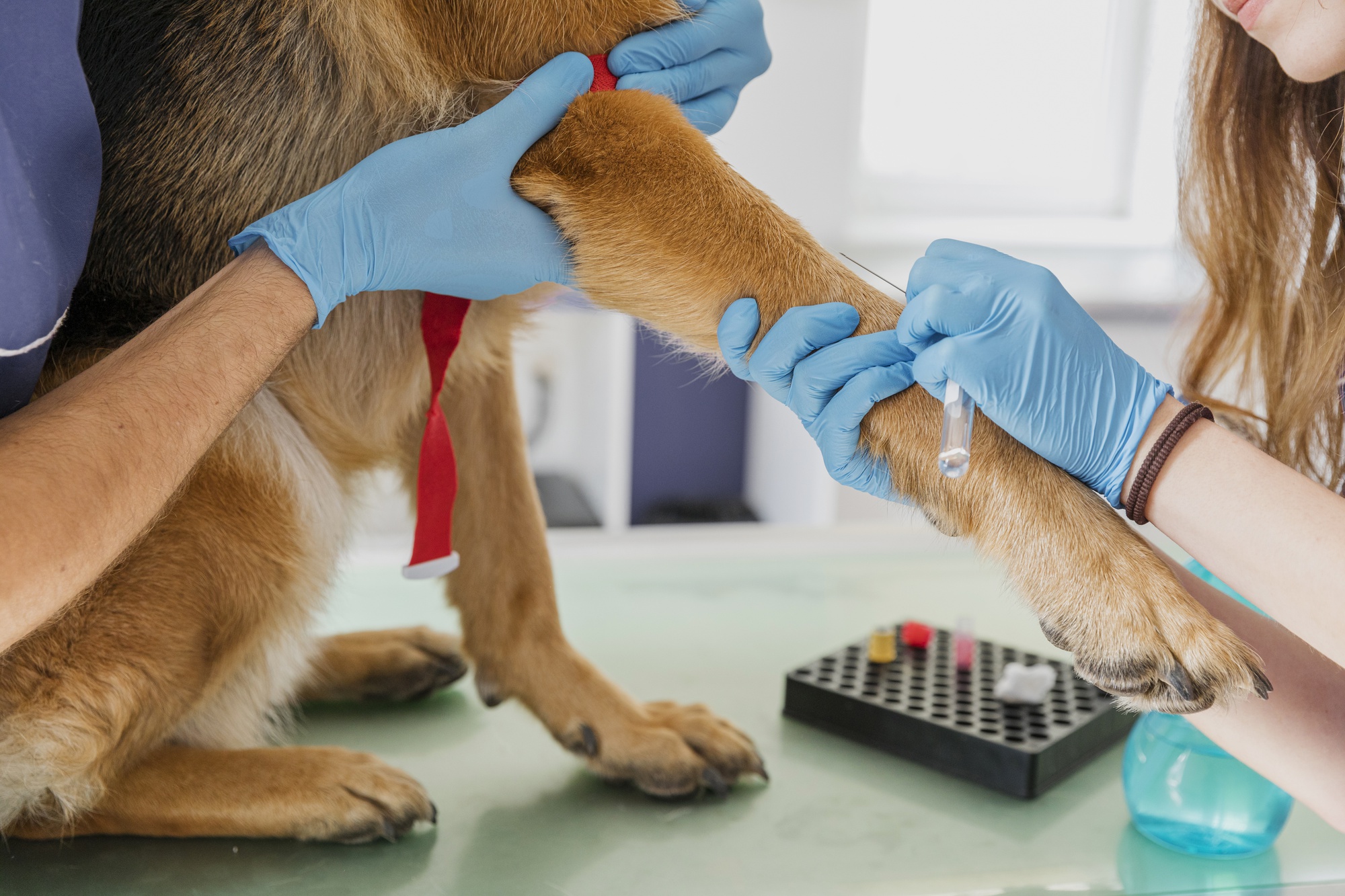
The most common types of laboratory tests for pets include bloodwork (CBC and chemistry panels), urinalysis, fecal exams, thyroid testing, and specific disease screening such as heartworm or tick-borne illnesses. Blood tests can reveal anemia, infection, organ dysfunction, dehydration, and chronic diseases. Urinalysis assesses kidney function, urinary tract health, and can detect early signs of diabetes. Fecal exams help us find intestinal parasites that can cause digestive upset or pose a risk to your family. When necessary, specialized tests such as allergy panels or hormone assays give us a more detailed understanding of your pet’s unique needs.
At Flowery Branch Pet Wellness Center, our diagnostic laboratory services allow us to run many tests in-house, so you get answers quickly. Fast, accurate results mean we can begin treatment promptly if a problem is found, or give you peace of mind if your pet’s results are normal.
The Role of Laboratory Testing in Preventive Care
Routine laboratory screening is one of the most powerful tools in preventive veterinary medicine. Annual bloodwork, for example, can help us detect organ dysfunction or early disease even when your dog or cat appears outwardly healthy. This enables us to intervene earlier, often with less invasive treatments and better outcomes.
For senior pets, more frequent lab testing is often recommended, since aging can bring gradual changes in organ function, metabolism, and immune health. Early intervention can keep your older pet comfortable and active for years to come.
How Our Veterinary Team Uses Lab Results to Guide Treatment
Laboratory services for pets are most valuable when combined with a thorough physical exam and your observations as a pet owner. Our veterinary professionals use lab results to create a complete health profile for your pet, identify trends over time, and make informed decisions about care.
Diagnosing Illness and Developing a Treatment Plan
When your pet is sick, laboratory testing helps us pinpoint the cause and determine the best course of action. For instance, a dog with lethargy, poor appetite, and pale gums might have an underlying anemia or infection revealed through bloodwork. A cat with increased thirst and urination may be showing early signs of kidney disease or diabetes, both of which can be diagnosed and monitored through lab tests.
Once we have a diagnosis, lab results guide our recommendations for medications, dietary changes, and follow-up care. If your pet needs surgery or a dental procedure, pre-anesthetic bloodwork assesses the safety of anesthesia and helps us plan appropriately.
Monitoring Chronic Conditions
For pets managing ongoing health challenges, regular lab work is essential. Conditions like hypothyroidism, diabetes, kidney disease, and allergies require ongoing monitoring to ensure treatments are effective and to watch for complications. Our team will work closely with you to set up a testing schedule that fits your pet’s needs and lifestyle. For example, pets receiving long-term medication may need periodic bloodwork to monitor for side effects and adjust dosages as necessary.
If your pet has allergies or persistent itching, allergy testing for pets can help us identify triggers and tailor treatment plans for long-term comfort.
Prevention and Home Care: Supporting Your Pet’s Health Between Visits
While laboratory services for pets are a cornerstone of professional veterinary care, there’s a lot you can do at home to support your pet’s ongoing wellness. Regular monitoring and good home habits make a big difference in catching problems early and keeping your dog or cat feeling their best.
Observing Your Pet at Home
Pay close attention to any changes in your pet’s appetite, water intake, urination, bowel habits, energy levels, and overall demeanor. Subtle shifts in behavior or appearance can be the first sign of a developing health issue. Keeping a simple journal or using a pet health app can be helpful for tracking trends over time, making it easier to share accurate information with your veterinary team.
If you notice sudden or significant changes, such as persistent vomiting, diarrhea, difficulty breathing, or loss of appetite lasting more than a day, don’t wait to seek veterinary advice. Timely care is often the key to a full recovery.
The Importance of Routine Veterinary Visits
Scheduling regular wellness examinations is one of the best ways to protect your pet’s health. These visits allow us to perform thorough physical exams, discuss any concerns, and recommend appropriate lab tests based on your pet’s age, breed, and lifestyle. Annual or biannual bloodwork is especially important for senior pets and those with chronic conditions.
In addition to laboratory screening, preventive care includes vaccinations, dental cleanings, parasite prevention, and proper nutrition. Working together, we can create a comprehensive plan that keeps your dog or cat healthy year-round.
When to Schedule Laboratory Services for Your Pet
Knowing when to bring your pet in for laboratory testing can make a significant difference in their health and comfort. While routine screens are typically recommended during annual wellness visits, there are certain situations where immediate lab work is especially important.
You should contact your veterinarian promptly if your pet is showing signs of illness that last longer than 24 hours, experiencing unexplained weight loss, increased thirst or urination, persistent vomiting or diarrhea, difficulty breathing, coughing, or sneezing, or if they have a chronic condition that requires ongoing monitoring. Additionally, any time your pet is scheduled for anesthesia, such as for a dental cleaning or surgery, pre-anesthetic lab testing is recommended to assess their safety and minimize risks.
At Flowery Branch Pet Wellness Center, our compassionate veterinary team is here to help you determine when laboratory services for pets are needed and to guide you every step of the way.
Your Trusted Source for Laboratory Services for Pets in Flowery Branch, GA
Laboratory services for pets are a vital part of modern veterinary care, helping to uncover hidden health problems, confirm diagnoses, and monitor ongoing conditions. At Flowery Branch Pet Wellness Center, our team of veterinarians is committed to providing your dog or cat with the most advanced, compassionate care available. By combining high-quality laboratory diagnostics with personalized attention and thorough physical exams, we help your pets enjoy happier, healthier lives.
If you have questions about your pet’s health or want to schedule lab testing, we invite you to reach out to our team. Whether your pet is due for routine diagnostic laboratory services, needs a wellness examination, or is managing a chronic health issue, we are here to support you every step of the way.
When searching for a veterinarian near me, choose a team that prioritizes preventive care and thorough diagnostic testing. Contact Flowery Branch Pet Wellness Center at (678) 960-1674 to schedule an appointment, or stop by our convenient location at 5900 Spout Springs Rd, Suite U21, Flowery Branch, GA 30542. Let our veterinary professionals partner with you to keep your pet healthy for years to come.
This blog is for informational purposes only and does not replace professional veterinary advice. Always consult your veterinarian regarding your pet’s specific health needs or before making changes to their care.