How to Recognize Pet Allergies in Flowery Branch Dogs and Cats
How to Recognize Pet Allergies in Flowery Branch Dogs and Cats
Springtime in Flowery Branch, GA is a beautiful season, but if your dog or cat is constantly itching, sneezing, or showing signs of discomfort, you might be facing the challenges of pet allergies. Allergies are not just a human problem; our pets can suffer from them too, especially as pollen levels rise in our area and new environmental triggers emerge. At Flowery Branch Pet Wellness Center, our team of veterinarians understands how frustrating it can be to see your beloved companion uncomfortable and not know why. In this blog, we’ll help you recognize the signs of pet allergies in dogs and cats, explain common causes, discuss how our veterinary team approaches diagnosis and treatment, and offer practical tips for allergy relief at home. Our goal is to guide you toward helping your pet enjoy the season with less scratching and sneezing, so you can both make the most of life in Flowery Branch, GA and surrounding communities.
Signs Your Dog or Cat May Have Allergies
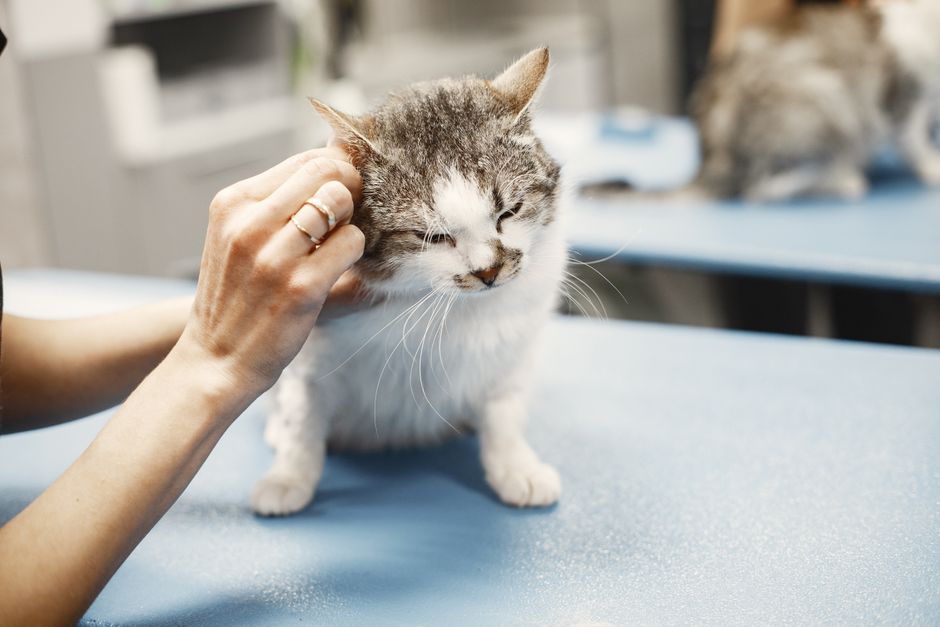
It can be difficult to tell whether your pet’s symptoms are due to allergies or another health issue, but there are some tell-tale signs that suggest allergies might be at play. Many pet owners first notice their dog or cat scratching more than usual, licking their paws excessively, or developing red, irritated skin. In dogs, symptoms often include frequent ear infections, shaking the head, or chewing at their feet. Cats may show signs such as hair loss, over-grooming, or scabs and sores—especially around the head and neck. Sneezing, watery eyes, and nasal discharge can affect both species, particularly during seasonal pollen surges.
Other signs to watch for are recurrent skin infections, a musty odor from the skin, or hot spots that don’t seem to heal. If your pet’s symptoms are getting worse with the arrival of spring, or if you notice patterns that coincide with changes in the environment, allergies may be the underlying cause. It’s also important to remember that some pets experience digestive symptoms like vomiting or diarrhea, which can be linked to food allergies rather than environmental triggers.
What Causes Allergies in Pets?
Allergies in dogs and cats develop when their immune system reacts to everyday substances that are otherwise harmless. Common culprits include environmental allergens such as tree, grass, or weed pollen, which are especially prevalent during the warmer months here in Flowery Branch. Dust mites and mold spores are year-round triggers that often lurk indoors, while flea bites can cause severe itching even from a single bite due to flea allergy dermatitis.
Food allergies are another concern, often developing over time to ingredients like chicken, beef, dairy, or grains. Unlike environmental allergies, food allergies are more likely to cause digestive upset in addition to skin issues. Contact allergies, caused by direct exposure to materials such as certain cleaning products, detergents, or even specific types of grass, are less common but can still lead to persistent itching or rashes.
In our local area, the combination of high humidity, abundant plant life, and mild winters means that both environmental and flea-related allergies are common problems. Understanding the specific triggers affecting your pet is the first step toward effective management, which is why our team often recommends allergy testing for pets as part of a comprehensive diagnostic approach.
How Veterinary Professionals Diagnose and Treat Pet Allergies
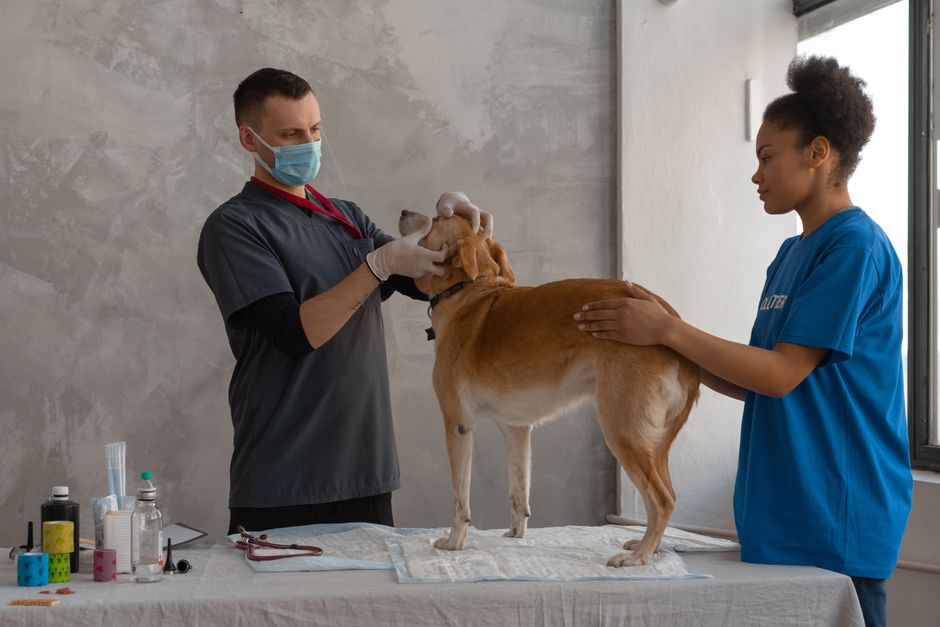
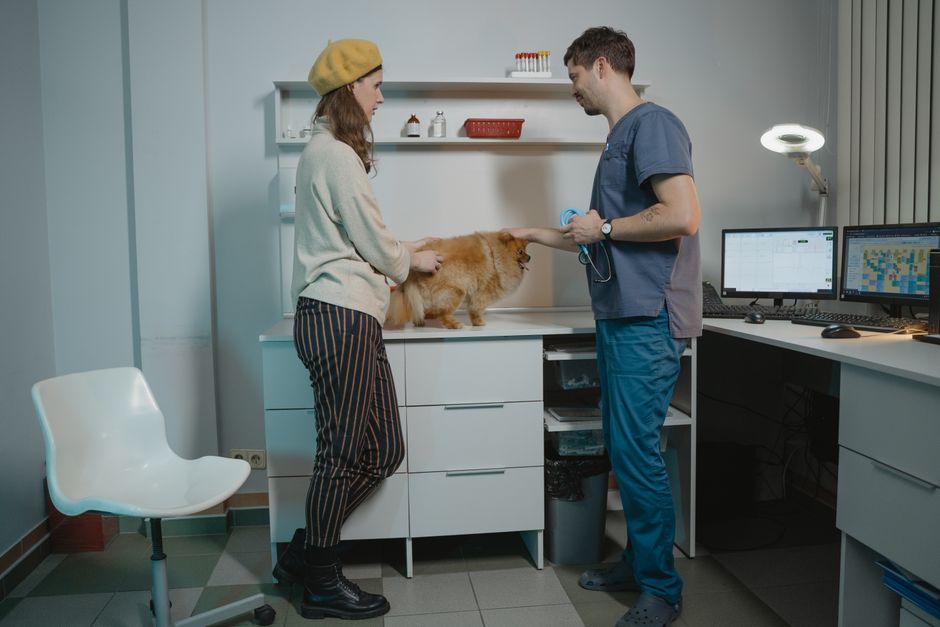
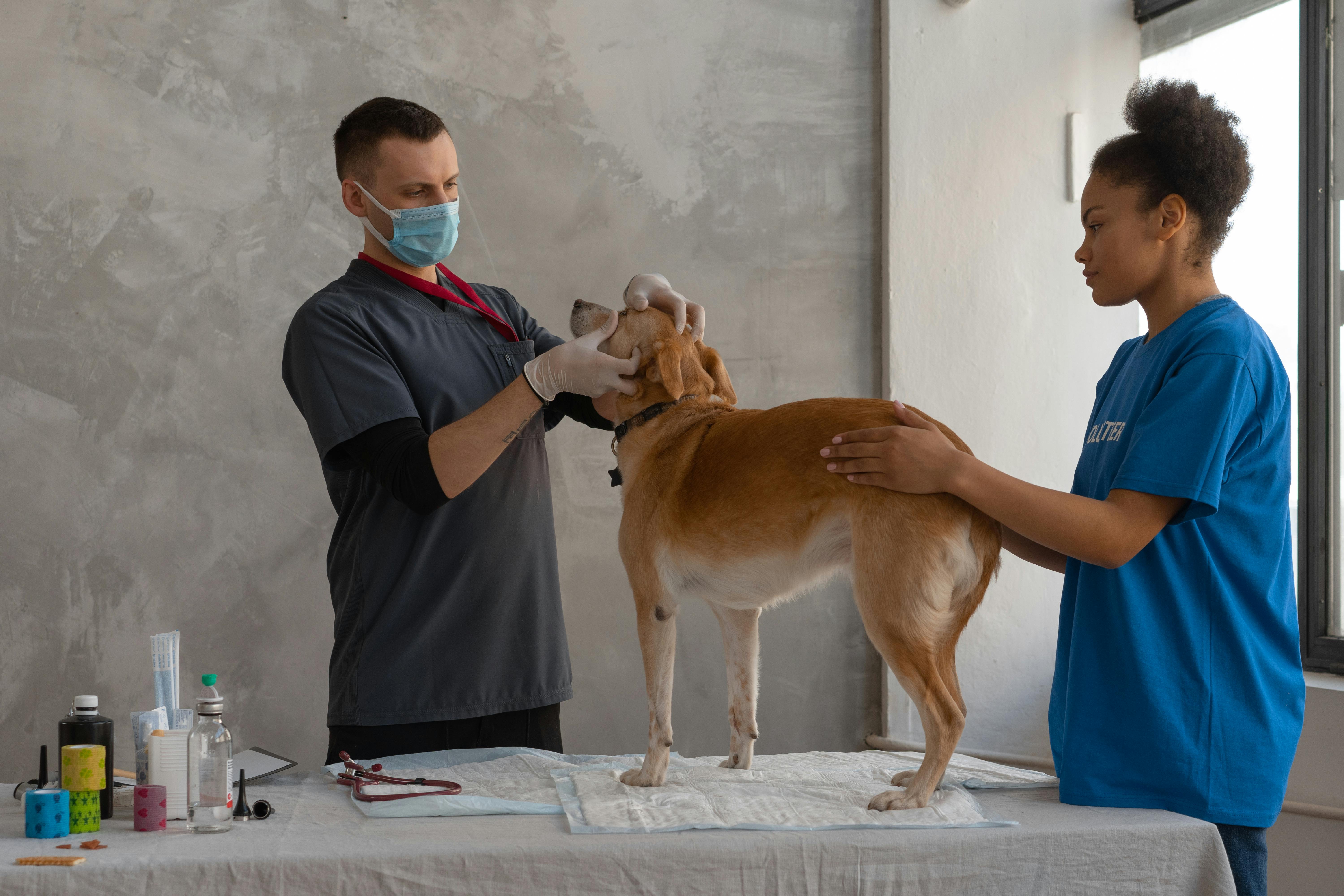
When you bring your dog or cat to Flowery Branch Pet Wellness Center for allergy concerns, our veterinarians begin with a thorough history and physical examination. We’ll ask about when symptoms started, what you’ve observed at home, and any changes in your pet’s diet, environment, or daily routine. Skin and ear exams help us look for signs of infection, parasites, or other causes of itching.
If allergies are suspected, our veterinary team may recommend additional diagnostics. These can include skin scraping to rule out mites, cytology to check for secondary infections, or blood tests to screen for underlying health issues. For pets with ongoing or severe symptoms, allergy testing services can help identify specific environmental triggers. Food allergies are usually diagnosed through a strict elimination diet trial, where your pet eats a special hypoallergenic diet for several weeks to see if symptoms improve.
Treatment options for pet allergies depend on the type and severity of symptoms. For many pets, management begins with frequent bathing using medicated or hypoallergenic shampoos to wash away allergens and soothe irritated skin. Veterinary-prescribed medications such as antihistamines, corticosteroids, or newer therapies like oclacitinib (Apoquel) and lokivetmab (Cytopoint) may be recommended for itch relief. In cases of secondary skin or ear infections, antibiotics or antifungal medications are often necessary. For pets with flea allergies, strict flea control using veterinary-approved preventives is essential.
If a specific environmental allergen is identified, immunotherapy (allergy shots or oral drops) may be an option to help your pet build tolerance over time. Our veterinary professionals will always tailor the treatment plan to your pet’s unique needs, balancing symptom relief with long-term health and comfort.
Home Strategies for Managing Pet Allergies
While veterinary care is crucial for diagnosing and treating allergies, there are several steps you can take at home to help your pet feel more comfortable. Regular grooming and bathing can remove pollen and other allergens from your pet’s coat, especially after outdoor play. Using a gentle, vet-recommended shampoo can reduce skin irritation and help with itching. Keeping your home environment clean by vacuuming frequently, washing bedding in hot water, and using air purifiers can also lower the allergen load indoors.
For pets with food allergies, always follow your veterinarian’s instructions during elimination diet trials and avoid giving table scraps or treats that could contain problematic ingredients. If your pet is allergic to fleas, maintaining consistent flea prevention for all pets in your household is critical, even during cooler months.
During peak allergy seasons in Flowery Branch, consider limiting outdoor activities on high pollen days, wiping your pet’s paws and fur after walks, and keeping windows closed to reduce indoor pollen exposure. These small changes can make a noticeable difference in your pet’s comfort and quality of life.
When to Schedule a Veterinary Visit for Pet Allergies
It’s normal for pets to scratch or groom occasionally, but persistent or severe symptoms should not be ignored. You should schedule an appointment with our veterinary team if your dog or cat is scratching or licking constantly, has red or inflamed skin, suffers from repeated ear or skin infections, or shows signs of discomfort such as head shaking, hair loss, or open sores. Sudden changes like facial swelling, difficulty breathing, or widespread hives require immediate veterinary attention, as these may indicate a severe allergic reaction.
If you’ve tried basic home care measures without improvement, or if your pet’s symptoms return each season, a professional evaluation at Flowery Branch Pet Wellness Center can help uncover the underlying cause and provide lasting relief. Our veterinarians are experienced in managing allergies and can offer personalized recommendations, from allergy testing for pets to advanced treatments tailored to your pet’s needs.
Helping Your Pet Enjoy Spring in Flowery Branch
Pet allergies can make what should be an enjoyable time of year stressful for both you and your furry companion, but you don’t have to manage it alone. The veterinary professionals at Flowery Branch Pet Wellness Center are here to help your dog or cat find relief and return to their playful, happy self. Whether you’re noticing mild symptoms or your pet’s allergies are affecting their daily life, our team provides compassionate, comprehensive care in a friendly environment.
If you’re searching for a veterinarian near me who understands the unique needs of pets in Flowery Branch and the surrounding area, we invite you to schedule an appointment with us. You can reach our team at (678) 960-1674 or visit our convenient location at 5900 Spout Springs Rd, Suite U21, Flowery Branch, GA 30542. For more information about our approach to allergy testing for pets, or to learn how we can help your pet breathe easier this spring, contact us today. Let us partner with you to keep your pet comfortable, healthy, and ready to enjoy every season in Flowery Branch. We proudly care for pets from Flowery Branch and nearby communities, including Buford, Braselton, Dacula, and North Gwinnett.
This blog is intended for informational purposes only and should not replace professional veterinary advice. Always consult your veterinarian for diagnosis and treatment recommendations specific to your pet.