How To Spot Dental Problems In Your Flowery Branch Pet

How To Spot Dental Problems In Your Flowery Branch Pet
As a loving pet owner, you want your furry companion to enjoy a happy, healthy life. But did you know that many dental problems in dogs and cats can go unnoticed until they become serious? If you have ever caught a whiff of bad breath from your pet, noticed them dropping food, or wondered why they shy away from chew toys, you are not alone. Dental disease is one of the most common health concerns we see at Flowery Branch Pet Wellness Center, right here at 5900 Spout Springs Rd, Suite U21, Flowery Branch, GA 30542. Our team of veterinarians is dedicated to helping you recognize the early signs of dental trouble, understand what causes these issues, and learn how timely dental care can make all the difference for your pet’s comfort and quality of life.
In this guide, we will walk you through the most common warning signs of dental disease in dogs and cats, explain why oral health matters, discuss what professional dental care involves, and offer practical tips you can use at home to support your pet’s oral hygiene. If you are concerned about your pet’s teeth or gums, or if you are searching for reliable pet dental cleanings in Flowery Branch and surrounding communities, our veterinary team is here to help every step of the way.
Recognizing Dental Problems in Dogs and Cats
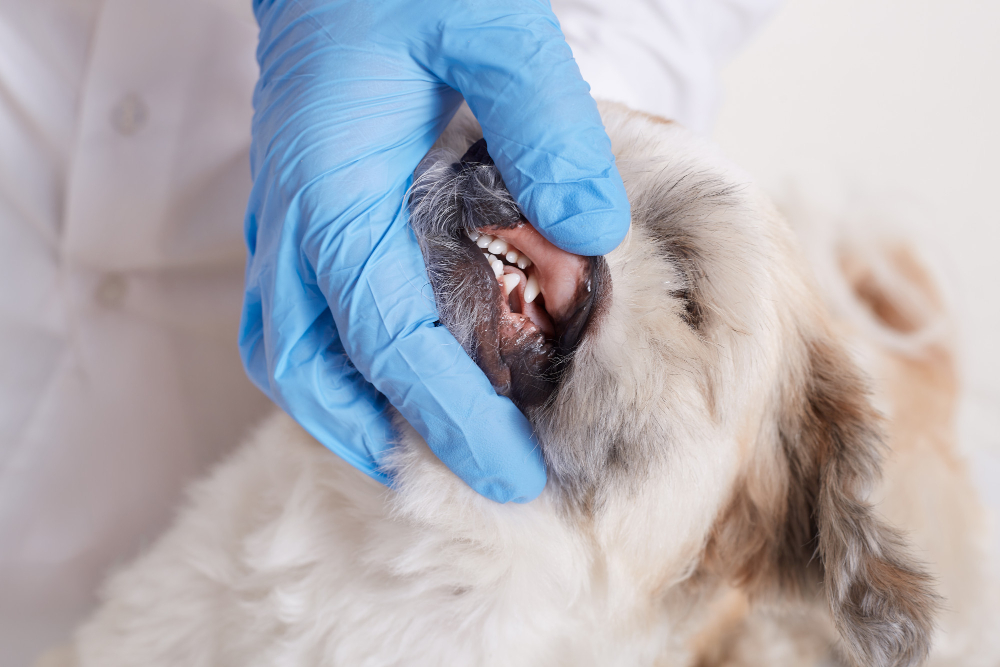
Dental health can be easy to overlook since dogs and cats are often experts at hiding discomfort. However, there are several key signs that may indicate your pet is experiencing dental issues. The most common symptoms include persistent bad breath, which is often much more noticeable than typical “doggy” or “kitty” breath. Other signs to watch for are red, swollen, or bleeding gums, visible tartar buildup that looks like yellow or brown material on the teeth, loose or missing teeth, and changes in eating habits such as dropping food, chewing on one side of the mouth, or refusing hard treats. Additionally, you might observe your pet pawing at their mouth, drooling more than usual, or even acting irritable or withdrawn.
Some pets will show subtle changes, like reluctance to play with favorite chew toys or a sudden preference for soft foods. These behaviors are often a pet’s way of coping with pain or discomfort in their mouth. In severe cases, dental problems can lead to facial swelling, draining wounds below the eyes, or even difficulty opening or closing the mouth. If you notice any of these symptoms, it is important to take them seriously and reach out to your veterinarian for a thorough dental evaluation.
What Causes Dental Disease in Pets?
Dental problems in pets develop for many of the same reasons they do in people. The most common cause is the gradual buildup of plaque, which is a sticky film of bacteria that forms on the teeth. Over time, if plaque is not removed through regular brushing or dental cleanings, it hardens into tartar. This tartar traps bacteria next to the gumline, leading to inflammation known as gingivitis. If left untreated, gingivitis can progress to periodontitis, a more severe condition that damages the tissues and bone supporting the teeth.
Factors that contribute to dental disease include age, as older pets are more prone to tartar accumulation, and breed, since small dogs and certain cat breeds often have crowded teeth that are more difficult to keep clean. Diet plays a role as well; pets fed only soft or wet food may miss out on the mild abrasive action that dry kibble can provide. Genetics, underlying health conditions such as diabetes, and a lack of regular home dental care can all increase the risk. Finally, trauma to the mouth or chewing on very hard objects can lead to fractured teeth, which can become infected or abscessed without prompt treatment.
How Our Flowery Branch Veterinarians Treat Dental Problems
When you bring your pet to Flowery Branch Pet Wellness Center for dental concerns, our veterinarians start with a thorough oral examination during a routine wellness visit. If we notice signs of dental disease, we may recommend a professional dental cleaning under anesthesia. This allows us to clean above and below the gumline, where bacteria and tartar are most damaging. Our veterinary team uses specialized equipment to scale and polish each tooth, remove unhealthy tissue, and take dental X-rays if needed to check for problems beneath the surface.
If a tooth is severely damaged or infected, extraction may be necessary to relieve your pet’s pain and prevent further complications. Our veterinarians always discuss treatment options with you beforehand and provide guidance on what to expect during and after the procedure. For many pets, prompt dental care can restore comfort, improve appetite, and even prevent more serious health problems affecting the heart, kidneys, or liver.
To maintain your pet’s oral health, we may recommend scheduling regular professional dental cleanings, especially for pets with a history of dental disease or those more susceptible due to age or breed. Our clinic is equipped to handle a wide range of dental issues, from routine cleanings to more complex oral surgery, and we are committed to providing compassionate, gentle care throughout the process.
Preventing Dental Disease: What You Can Do at Home
While professional cleanings are essential, daily home care plays a vital role in preventing dental problems. Brushing your pet’s teeth with pet-safe toothpaste is one of the most effective ways to reduce plaque and slow the formation of tartar. If brushing is new to your routine, start gradually, allowing your pet to get used to the taste and sensation. There are also dental chews, treats, and water additives that can help support oral hygiene, but these should be used as supplements rather than substitutes for brushing.
Choosing appropriate chew toys and feeding a balanced diet can also contribute to oral health. Avoid giving your pet very hard items, such as bones or antlers, which can break teeth. Instead, look for toys and treats that are designed to promote dental health and are approved by your veterinarian. Keep an eye on your pet’s mouth for any changes, and make a habit of checking their teeth and gums regularly. Early detection of problems makes treatment much easier and less stressful for both you and your pet.
If you are ever unsure about which products or techniques are best for your pet, our veterinary professionals are happy to provide personalized recommendations during your next visit. For more information on keeping your pet’s mouth healthy, our pet dental cleaning services page offers additional guidance and resources.
When to Schedule a Dental Exam: Knowing When Your Pet Needs Help
Some dental problems require immediate veterinary attention, especially if you notice severe pain, bleeding, swelling, or loss of appetite lasting more than a day. If your pet suddenly stops eating, develops facial swelling, or shows signs of distress such as pawing at the mouth or crying out, contact us right away. Even if symptoms seem mild, persistent bad breath, visible tartar, or changes in eating habits warrant a dental evaluation, as these issues rarely resolve on their own.
We recommend including dental checks as part of your pet’s annual wellness examination, but more frequent visits may be needed for pets with a history of dental disease. Remember, early intervention can prevent minor issues from turning into major problems that affect your pet’s overall health and wellbeing.
If you are searching for a “vet near me” who truly understands the importance of dental care, Flowery Branch Pet Wellness Center is dedicated to providing thorough, compassionate service to pets throughout Flowery Branch and surrounding communities. Our team makes it easy to schedule an appointment and will help you determine the best course of action for your pet’s unique needs.
Supporting Your Pet’s Smile for a Lifetime
Dental health is an essential part of your dog or cat’s overall wellness, and spotting problems early can make all the difference. By paying attention to changes in your pet’s breath, eating habits, and energy level, you can catch dental issues before they lead to pain or more serious health concerns. Our veterinarians at Flowery Branch Pet Wellness Center are here to guide you every step of the way, from preventive advice to advanced dental treatments.
If you are ready to schedule a dental check or have questions about your pet’s oral health, we invite you to call our team at (678) 960-1674 or visit us at 5900 Spout Springs Rd, Suite U21, Flowery Branch, GA 30542. For more details on our approach to pet dental care and how we can help your furry family member, explore our professional dental cleaning services page. Your pet’s healthy smile is our priority, and we look forward to being your trusted partner in lifelong wellness.
This blog is for educational purposes only and should not be used as a substitute for professional veterinary advice. If you have concerns about your pet’s health, please consult with your veterinarian for a thorough evaluation and personalized recommendations.