Preventing Spring Allergies in Flowery Branch Pets


Preventing Spring Allergies in Flowery Branch Pets
Springtime in Flowery Branch welcomes blooming flowers, fresh green lawns, and longer days spent outdoors with our pets. Unfortunately, for many cats and dogs, this beautiful season also brings a surge in itching, sneezing, and other allergy-related discomforts. If you have noticed your pet scratching more than usual, licking their paws, or developing watery eyes as the pollen count rises, you are certainly not alone. At Flowery Branch Pet Wellness Center, our veterinary team frequently sees an uptick in seasonal allergy cases as spring unfolds in our region. In this blog, we will walk you through how to recognize allergy symptoms in your pet, what causes these seasonal reactions, preventive measures you can take at home, and when it is time to call your trusted veterinarian. Our goal is to help keep your pet comfortable and healthy so you both can enjoy everything spring in Flowery Branch and surrounding communities has to offer. If you are concerned about your pet's allergy symptoms, our wellness examination services are available to help you get answers and relief.
Recognizing Spring Allergy Symptoms in Cats and Dogs
Pets experience allergies in ways similar to people, but their signs are often more subtle or mistaken for other issues. Knowing what to look for is the first step in ensuring your pet gets the care they need. Key symptoms of spring allergies in dogs and cats include persistent scratching, licking or chewing at the paws, rubbing their face on furniture or carpets, red or inflamed skin, and recurrent ear infections. Sneezing, watery eyes, and a runny nose may also occur, especially in dogs. In some cases, you might notice hair loss or small red bumps on the skin; these are often signs that allergies are affecting your pet’s comfort and quality of life.
It is important to distinguish between a brief itch and symptoms that persist for days or worsen over time. If your pet's scratching interrupts sleep, causes visible sores, or leads to skin infections, these are strong indicators that seasonal allergies may be at play. Cats are particularly skilled at hiding discomfort, so pay attention to behavioral changes such as increased grooming, hiding, or a sudden drop in activity.
Understanding Why Pets Develop Spring Allergies
Spring in Flowery Branch is known for its abundant plant life and rising pollen counts as the weather warms. Most seasonal allergies in pets are triggered by environmental allergens such as tree, grass, and weed pollens. Mold spores, dust mites, and even certain insects become more prevalent as temperatures climb, increasing the risk of allergic reactions.
When pets with sensitive immune systems encounter these allergens, their bodies respond with inflammation and itching. Unlike people, who often experience sneezing and congestion as primary symptoms, animals tend to show skin-related signs. The underlying cause is typically a hypersensitive immune response, where the body mistakenly identifies harmless substances as threats. Genetics also play a role; some breeds, such as terriers, retrievers, and flat-faced cats, are more prone to allergies. Additionally, pets that have existing skin conditions or compromised immune systems may be more susceptible to seasonal reactions.
How Veterinarians Diagnose and Treat Pet Allergies
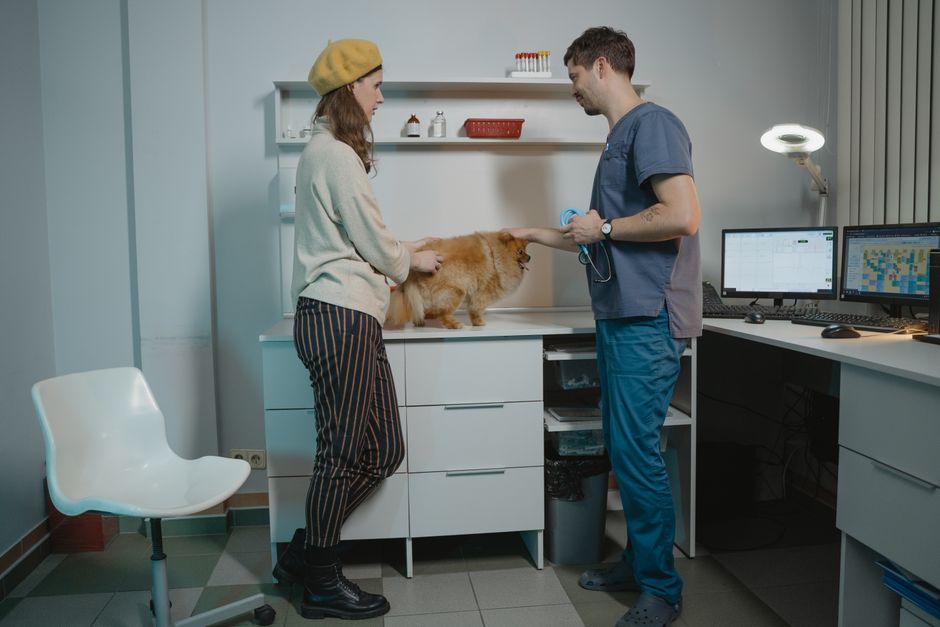
If you suspect your dog or cat is suffering from spring allergies, it is essential to schedule an appointment with your veterinarian. At Flowery Branch Pet Wellness Center, our approach begins with a thorough physical examination and a detailed history of your pet’s symptoms and lifestyle. We may recommend specific tests, such as skin scrapings or blood work, to rule out other causes like parasites or infections.
For pets with persistent or severe allergy signs, our allergy testing services can help pinpoint the exact triggers, allowing for more targeted management. Once allergies are confirmed, treatment options vary depending on the severity and type of symptoms. These may include medicated shampoos to soothe itchy skin, prescription antihistamines or anti-inflammatory medications, and topical ointments to provide relief from hot spots. For some pets, immunotherapy (allergy shots or oral drops) may be recommended as a long-term solution, especially when avoidance of the allergen is not possible.
Our veterinary professionals will also assess for secondary infections, which are common in pets that scratch or lick excessively. Treating these infections promptly is a key part of the recovery process. Throughout treatment, we emphasize a personalized plan tailored to your pet’s unique needs and your family’s lifestyle.
Preventing and Managing Spring Allergies at Home
While some level of exposure to allergens is inevitable during spring in Flowery Branch, there are practical steps you can take to minimize your pet’s discomfort. Wiping your pet’s paws and coat with a damp cloth after time outdoors helps remove pollen and reduces the risk of bringing allergens inside your home. More frequent bathing with a gentle, veterinarian-approved shampoo can also help rinse away irritants. Regularly washing bedding, vacuuming carpets, and using air purifiers in your home will further decrease allergen levels.
Another useful tip is to limit walks or outdoor playtime to early morning or late evening, when pollen counts are generally lower. Keeping windows closed on high-pollen days and using air conditioning can create a safer indoor environment for sensitive pets. For pets with known allergies, your veterinarian may recommend starting preventive medications or supplements at the beginning of the season to reduce the severity of symptoms.
Staying up to date with routine wellness examinations is also an important preventive measure. During these visits, our veterinary team can spot early signs of allergies, provide personalized advice, and update you on the latest options for managing seasonal discomfort.
When to Seek Veterinary Care for Your Pet’s Allergies
While mild itching and sneezing can often be managed at home, certain signs mean it is time to call your veterinarian. If your pet is experiencing constant scratching, open sores, hair loss, or repeated ear infections, professional care is necessary to prevent further complications. Sudden changes in behavior, such as withdrawal or aggression, may indicate your pet is in significant discomfort. Additionally, symptoms like difficulty breathing, swelling of the face or throat, or hives require immediate veterinary attention, as these can signal a severe allergic reaction.
Remember that over-the-counter medications intended for people are not always safe or effective for pets. It is crucial to consult with veterinary professionals before starting any treatment. If you are searching for a "vet near me" who understands the unique seasonal challenges pets face in our area, Flowery Branch Pet Wellness Center is here to help with compassionate, personalized care.
Keeping Your Pet Comfortable This Spring
Spring allergies can disrupt your pet’s enjoyment of the outdoors, but with attentive care and the support of a dedicated veterinary team, relief is within reach. By recognizing allergy symptoms early, making simple adjustments at home, and partnering with our veterinarians for preventive care, you can help ensure your furry friend stays happy and healthy all season long.
If you have questions about your pet’s symptoms or are ready to take proactive steps against spring allergies, we encourage you to schedule a comprehensive wellness examination or ask about our allergy testing services. The veterinary professionals at Flowery Branch Pet Wellness Center are committed to providing expert care and ongoing support for pets in Flowery Branch and surrounding communities. To schedule an appointment, call (678) 960-1674 or visit us in person. Together, we can help your pet thrive through every season.
Medical Disclaimer: The information provided in this blog is for educational purposes only and does not replace professional veterinary advice. If your pet is experiencing symptoms or you have concerns about their health, please consult your veterinarian for appropriate diagnosis and treatment.