Keeping Pets Safe on Rainy Days in Flowery Branch

Keeping Pets Safe on Rainy Days in Flowery Branch
Rainy days in Flowery Branch can put a damper on your pet’s routine, but they don’t have to mean sacrificing health, safety, or happiness. Many pet owners worry about muddy paws, wet fur, and the risk of illness when the skies open up—especially during the damp, chilly months of February. At Flowery Branch Pet Wellness Center, our mission is to support your pet’s wellbeing year-round, rain or shine. Our veterinary team understands how the local climate can challenge pet owners, which is why we’re here to offer practical advice for keeping your furry companions safe, comfortable, and healthy on even the soggiest days.
In this guide, you’ll discover how to recognize the potential hazards that rainy weather brings, learn why these dangers occur, and find expert-backed solutions for everything from safe outdoor walks to managing muddy messes. We’ll also discuss the importance of preventive care and when to reach out to our Flowery Branch location for support. Our goal is to help you enjoy every season with your pet, no matter the weather, with confidence and peace of mind.
Spotting Rainy Day Risks for Your Pet
Even the most enthusiastic pets can encounter unexpected dangers during wet weather. Recognizing the signs that your dog or cat is affected by rain is the first step toward keeping them safe and healthy. Many owners notice that their pets are reluctant to go outside, refuse walks, or develop anxiety as soon as the rain begins. In some cases, pets may show signs of discomfort by licking their paws excessively, shivering, or seeking warm hiding spots after returning indoors.
Warning signs that rainy days are affecting your pet include damp fur that doesn’t dry quickly, muddy or irritated paws, sneezing or coughing after being in wet conditions, and visible discomfort when venturing outdoors. Additionally, some pets may develop skin redness, hot spots, or even ear infections following repeated exposure to moisture. If you notice your pet suddenly hesitating at the door, limping after walks, or grooming themselves more than usual, these could be indicators that rain is impacting their comfort or health.
For pets with pre-existing conditions such as arthritis, cold and damp weather can worsen stiffness and pain. Dogs and cats with allergies may also react to increased mold or pollen levels that come with rain. Noticing these changes early allows you to take steps to protect your companion from more serious problems.
Why Rainy Weather Can Be Hazardous for Pets
Flowery Branch’s rainy season brings more than just puddles and mud. The combination of cool temperatures, high humidity, and wet surfaces can create a variety of challenges for pets. Paws are particularly susceptible to irritation from salt, mud, or debris that clings to fur and skin. Wet conditions also encourage the growth of bacteria and fungi, which can lead to infections if not managed promptly.
Cold rain can drop your pet’s body temperature, especially in small breeds, short-haired dogs, or senior pets. Hypothermia is a real risk when pets spend extended time outdoors without proper protection. Additionally, slippery sidewalks and soggy yards increase the chance of slips, falls, or even sprained joints.
Another concern is the increased presence of parasites such as ticks and mosquitoes, which thrive in damp environments. Heartworm disease, transmitted by mosquitoes, is a year-round risk in Georgia but can be more prevalent following rainy spells. Standing water in your yard or local parks may also harbor harmful bacteria like Leptospira, which can infect pets through their paws or when drinking from puddles.
Finally, rainy weather often means less exercise and mental stimulation for pets whose routines rely on outdoor activity. This can lead to boredom, weight gain, or behavioral issues if alternative enrichment isn’t provided.
Veterinary-Recommended Solutions for Rainy Day Pet Safety
Our veterinary team at Flowery Branch Pet Wellness Center believes in a proactive approach to rainy day hazards. Professional care and smart management can prevent many weather-related problems before they start.
When it comes to outdoor walks, outfitting your pet with a well-fitting raincoat or waterproof vest can help keep their body dry and warm. For dogs with sensitive paws, rubber booties or paw wax provide a barrier against mud, salt, and debris. After every walk, gently dry your pet’s fur and paws with a clean towel, paying special attention to the spaces between toes and under the belly. Prompt removal of moisture reduces the risk of skin irritation and fungal infections.
If your pet has a history of skin sensitivities or allergies, ask our veterinarians about allergy testing to identify specific triggers that may be worsened by rainy weather. Our team can recommend appropriate shampoos, topical treatments, or dietary changes to support healthy skin, especially during damp months.
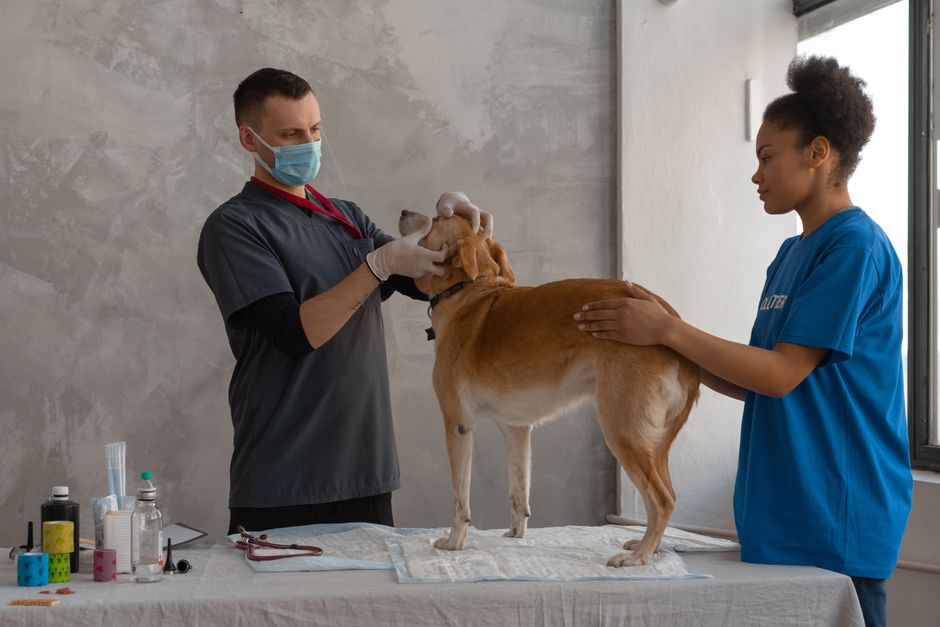
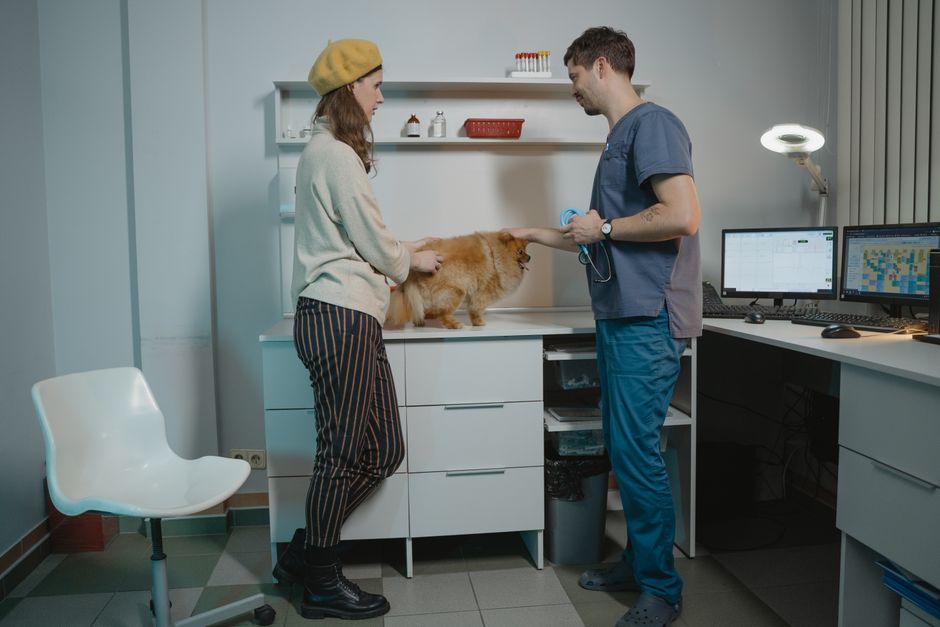
Regular wellness exams provide an opportunity for our veterinarians to catch weather-related concerns early. During your pet’s visit, we’ll check for signs such as ear inflammation, skin issues, or joint discomfort that might be aggravated by wet weather. For pets with chronic conditions like arthritis, services such as laser therapy can offer pain relief and promote healing, helping your companion stay mobile and comfortable.
Preventing parasite-borne diseases is always a priority. We recommend keeping your pet up to date on heartworm prevention and scheduling regular heartworm testing, especially after periods of heavy rain. Our veterinarians can also advise on flea and tick prevention to safeguard your pet from pests that flourish in humid conditions.
Home Strategies for Keeping Pets Dry, Clean, and Happy
There are many simple steps you can take at home to ensure your pet stays safe and content during the rainy season. Before heading outside, check the weather forecast and plan walks during lighter rain or breaks in the weather whenever possible. Shorter, more frequent walks can help minimize exposure to cold and wet conditions.
Create a designated area near your entryway for drying off your pet. Keeping towels, pet-safe wipes, and a mat handy makes clean-up quick and easy. When returning from outside, gently clean your pet’s paws, removing any mud or debris, and check for small cuts or signs of irritation. Keeping paw hair trimmed can also prevent mud from accumulating between the toes.
Indoor enrichment activities are especially important on rainy days when outdoor play is limited. Rotate your pet’s toys, try interactive feeders, or set up short training sessions to keep their mind active. For dogs who love to fetch, hallway games or gentle tug-of-war provide exercise without the need for outdoor exposure.
If your pet is anxious about thunder or heavy rain, create a comforting indoor space with their favorite bed, toys, and calming music. In some cases, pheromone diffusers or anxiety wraps can help soothe nervous pets during storms.
Consistent grooming routines are another key to rainy day health. Bathing your pet as recommended by our veterinary professionals helps manage moisture and reduce the risk of skin infections. Be sure to use pet-safe shampoos and thoroughly dry your pet after every bath.
When to Contact Your Veterinarian About Rainy Day Concerns
While most rainy day challenges can be managed at home, there are times when professional veterinary care is essential. If your pet displays persistent symptoms such as limping, redness between the toes, ongoing sneezing or coughing, or skin lesions that do not resolve, it’s important to schedule an appointment with our veterinary team. Sudden changes in behavior, increased lethargy, or signs of pain after being outdoors should also prompt a call.
If you suspect your pet has ingested contaminated water, shows signs of vomiting or diarrhea, or develops a fever, these may indicate exposure to harmful bacteria or parasites. In such cases, our diagnostic laboratory and experienced veterinarians can provide a thorough assessment and recommend appropriate treatment.
For pets with chronic health conditions that worsen during rainy weather—such as arthritis flare-ups or recurring ear infections—timely intervention can prevent complications and keep your companion comfortable. Don’t hesitate to reach out for guidance if you’re concerned about how the weather is affecting your pet’s wellbeing.
Remember, preventive care is the foundation of lifelong health. Scheduling regular wellness examinations helps our team monitor your pet for subtle changes that might be linked to seasonal or environmental factors.
Keeping Your Pet Safe and Happy—No Matter the Weather
Rainy days are a fact of life in Flowery Branch and the surrounding communities of Buford, Braselton, Dacula, and North Gwinnett, but they don’t have to stand in the way of your pet’s health or happiness. By staying alert to the unique risks that come with wet weather, taking proactive steps at home, and partnering with a trusted veterinary team, you can help your companion thrive all year long.
If you have concerns about your pet’s health during the rainy season or need practical advice tailored to your pet’s unique needs, our veterinarians at Flowery Branch Pet Wellness Center are here for you. We encourage you to schedule an appointment for a comprehensive exam, discuss allergy or parasite prevention, or simply get answers to your pet care questions. When searching for a veterinarian near me, know that local expertise and compassionate care are always close by.
To book your visit or speak with a member of our veterinary team, call us at (678) 960-3060 or stop by our welcoming clinic at 5900 Spout Springs Rd, Suite U21, Flowery Branch, GA 30542. For more information about our full range of services, visit our veterinary services page. Together, we’ll help your pet stay safe, comfortable, and full of joy—no matter what the weather brings.